

Knit structures
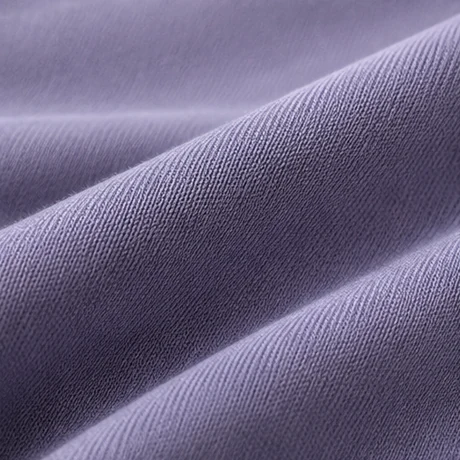
Jersey
A versatile knit for lightweight tops, training layers and stretch garments.

Interlock
A more substantial double knit for riding, fitness and other applications that need a stable hand feel.
Functional fabric options

Moisture Wicking
Review wicking performance for the fabric and finish selected for your project.

Quick Dry
Discuss drying characteristics for the fabric weight, structure and intended use.

UV Protection Options
Discuss the target protection level and confirm the test method for the selected fabric.
Stretch
Check stretch, recovery and coverage against your sample requirements.
Surface and hand feel
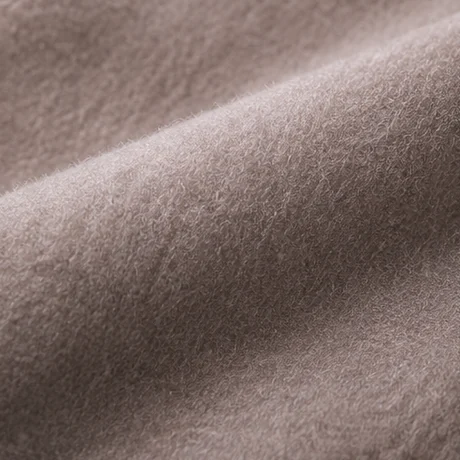
Brushed Inside
A softer inner face for cool-weather training and equestrian layers.

Cationic Fabric
Consider cationic colour effects for tonal or heathered designs.
Matte Finish
Specify a low-sheen face and assess opacity in the intended garment.
Fabric selection guide
| Fabric option | Composition | Weight | Typical application |
|---|---|---|---|
| Four-way stretch | 90% polyester, 10% spandex | 100 gsm | Shorts and selected fitness garments |
| Moisture-wicking polyester | 92% polyester, 8% spandex | 180 gsm | Yoga, running and cycling tops |
| Moisture-wicking polyester | 88% polyester, 12% spandex | 280 gsm | Heavier yoga and fitness garments |
| Recycled polyester blend | 88% recycled polyester, 12% spandex | 260 gsm | Leggings and sports bras |
| Breathable mesh | 90% polyester, 10% spandex | 180 gsm | Ventilation panels and running apparel |
| Brushed fabric | 88% polyester, 12% spandex | 300 gsm | Cool-weather apparel and breeches |
| Jacquard knit | 100% polyester | 180 gsm | Textured sportswear and equestrian garments |
Confirm composition, weight, finish and test requirements against the approved fabric and sample.
Match material to the garment
Riding leggings and breeches
Review opacity, stretch recovery, saddle contact and compatibility with silicone grip.
Sports bras and leggings
Review stretch under load, support, lining and coverage.
Running tees and court layers
Consider a lighter knit, ventilation panels and the intended drying performance.
Fabric development questions
Can we customise fabric weight and colour?
Yes. The development team can review weight, composition, colour and finishing based on the technical requirements.
Can you coordinate fabric testing?
Specify the test method, performance targets and documentation required for the project.
How should we choose a fabric?
Share the intended sport, climate, silhouette and target hand feel, then evaluate the candidate fabrics in a sample.